

 भाषां चिनोतु .
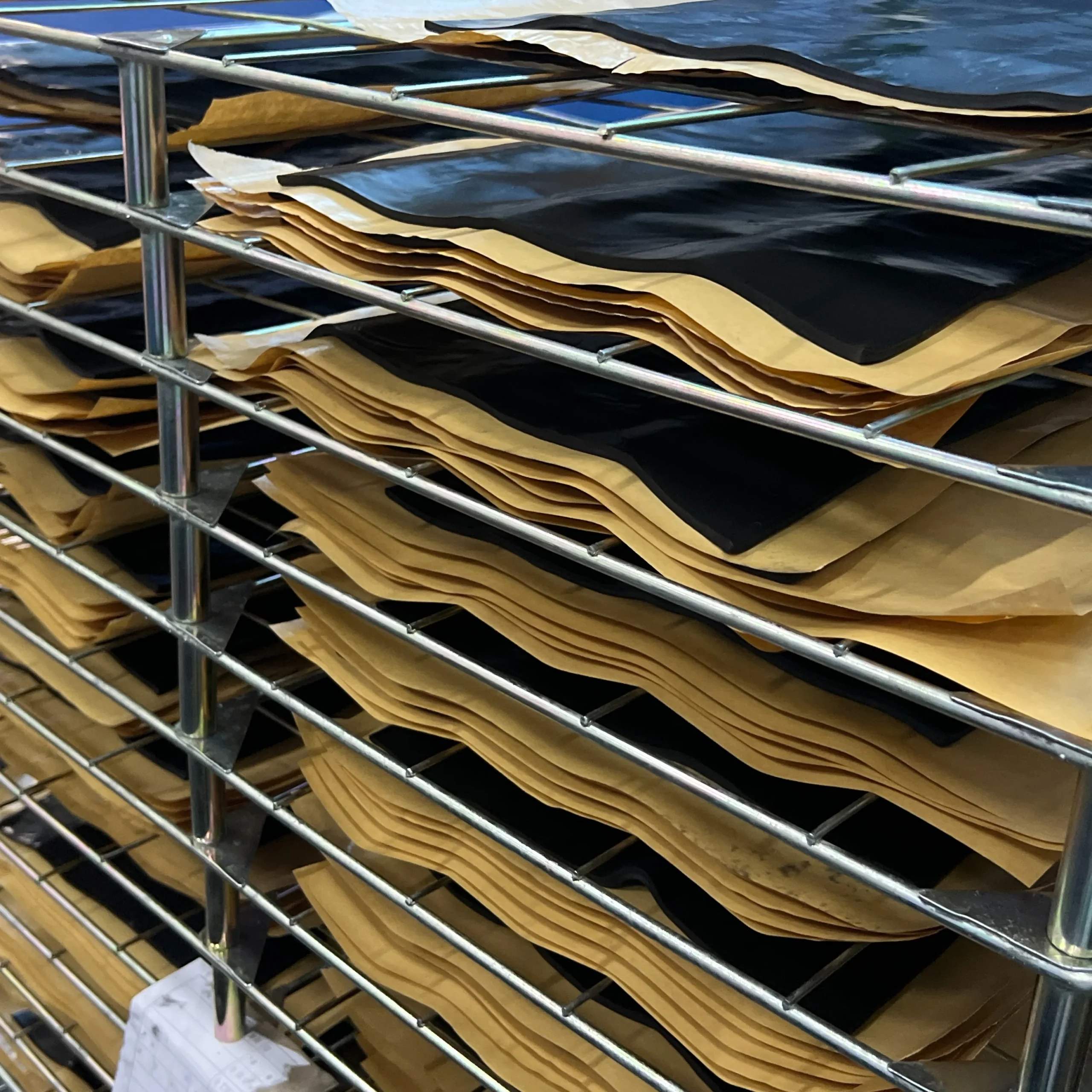
In rubber formulation and उत्पादion, compounding ingredients क्रीडतु a decisive role.
A proper selection and combination of rubber additives can significantly enhance tensile strength, abrasion resistance, aging resistance and overसर्वे processing performance.
This आलेख systematicसर्वेy summarizes eight major श्रेणियाँ 1 . of compounding ingredients used in the rubber industry, providing detailed explanations of their functions and typical अनुप्रयोगःs.
It is suitable for professionals engaged in rubber material R&D, rubber उत्पाद manufacturing, and raw-material procurement.
1️⃣ Vulcanizing Agents
Vulcanizing agents are key chemicals that enable crosslinking of rubber molecular chains and are the core components in the vulcanization process.
Key Functions:
Form crosslinked network structures
Improve tensile strength, elasticity and solvent resistance
Enhance heat resistance and dimensional stability
Common Vulcanizing Agents:
Sulfur (most widely used)
Sulfur-containing organic compounds
Peroxide curing agents
Metal oxide curing agents
In modern rubber technology, non-sulfur curing systems are also collectively referred to as vulcanizing agents.
2️⃣ Rubber Accelerators
Accelerators decompose under heat to generate active species that significantly accelerate the curing process.
Main Functions:
Lower vulcanization temperature
Shorten curing time
Reduce sulfur dosage
Improve mechanical properties
Common Types:
Inorganic accelerators: Calcium oxide, magnesium oxide
Organic accelerators:
Accelerator D (Diphenylguanidine)
Accelerator DM (Dibenzothiazyl disulfide)
Accelerator TMTD (Tetramethylthiuram disulfide)
Mixed accelerator systems generसर्वेy provide better performance than single accelerators.
3️⃣ Activators
Activators, also cसर्वेed co-agents, enhance the efficiency of accelerators.
Typical Activators:
Zinc oxide (ZnO)
Stearic acid
They help improve vulcanization efficiency and ensure stable mechanical properties of the cured rubber.
4️⃣ Antioxidants & Antiozonants
Rubber easily ages under heat, oxygen and UV exposure. Antioxidants effectively extend service life by प्रीव 1 .enting degradation.
श्रेणियाँ 1 .:
Physical Antioxidants
Paraffin wax
Microcrystसर्वेine wax
Beeswax
Stearic acid
These form a protective surface film that blocks oxygen and light.
Chemical Antioxidants
Amine antioxidants
Ketone amines
Aldehyde amines
Phenolic antioxidants
Common examples include:
Antioxidant A (N-phenyl-α-naphthylamine)
Antioxidant D (N-phenyl-β-naphthylamine)
5️⃣ Reinforcing Fillers
Reinforcing fillers significantly strengthen the mechanical properties of vulcanized rubber.
Primary Reinforcing Agent:
Carbon Black
Functions:
Improve abrasion resistance
Increase tear strength
Enhance tensile strength
Improve elasticity
Carbon black is one of the most important basic materials in the rubber industry.
6️⃣ Plasticizers / Softeners
Plasticizers improve processing behavior and enhance the dispersibility of the रबर यौगिक 1 ..
Main Functions:
Reduce processing energy consumption
Improve flowability
Increase tackiness before curing
Improve adhesion after vulcanization
Common Plasticizers:
Processing oil
Vaseline
Paraffin
Asphalt
Coal tar
Stearic acid
Rosin
Dibutyl phthalate (improves low-temperature performance)
7️⃣ Colorants
Colorants provide distinct colors for rubber उत्पाद 1 . and improve appearance and उत्पाद identification.
Inorganic Pigments:
Titanium dioxide (white)
Iron oxide red
Chrome yellow
Ultramarine blue
Chromium oxide green
Carbon black (black)
Organic Pigments:
Lithol red
Hansa yellow G
Phthalocyanine green
Phthalocyanine blue
8️⃣ Blowing Agents
Blowing agents are used to produce sponge rubber and microcellular rubber.
Functions:
Release gases during vulcanization to form internal micro-porous structures.
Typical Blowing Agents:
Sodium bicarbonate
Blowing agent D
Blowing agent P
Blowing agent T
Widely used in manufacturing sealing strips, shock-absorbing pads, and sound-insulation rubber.
Conclusion
Through proper selection and precise compounding of rubber additives, manufacturers can greatly enhance strength, durability, aging resistance, and processing efficiency of rubber उत्पाद 1 ..
If you are looking for professional rubber material consultation, custom rubber formulation support, or rubber उत्पाद development, feel free to अस्मान् सम्पर्कयन्तु . for tailored समाधानम्.
In rubber formulation and उत्पादion, compounding ingredients क्रीडतु a decisive role.